

Sustainable Development Goals
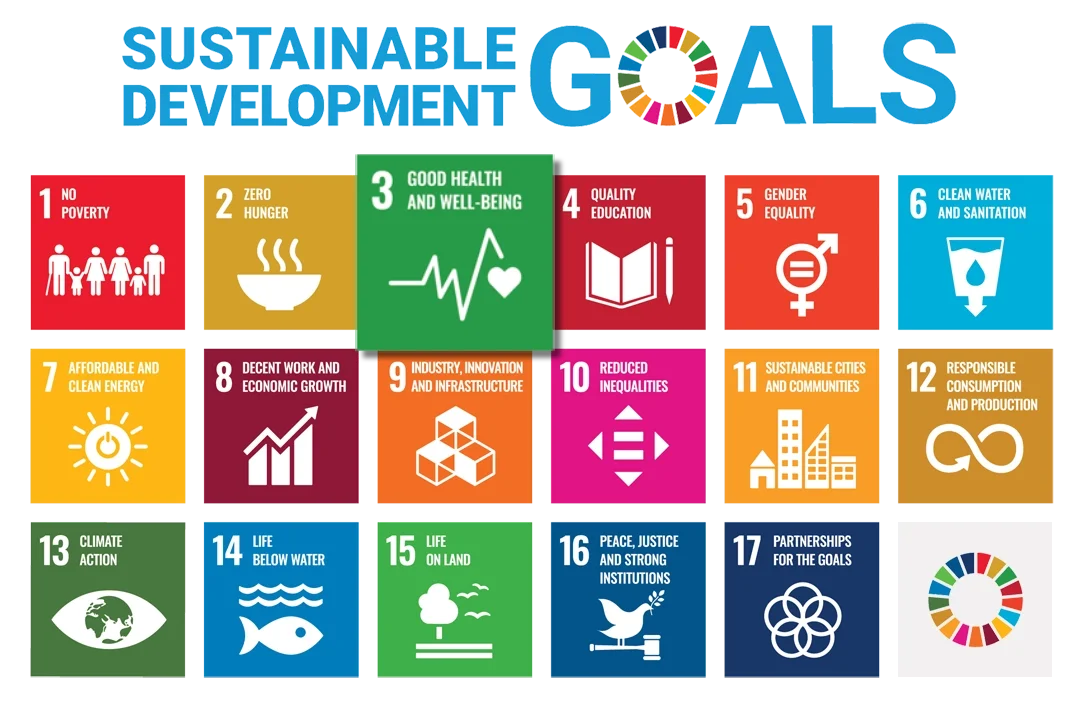
These 17 goals, unanimously adopted by all 193 member states of the UN in 2015, including the U.S., are the agenda for all countries to achieve cooperatively by 2030 to ensure all can fulfill their potential in dignity and equality, and in a healthy environment.
The March 4, 2025 official rejection and denunciation of the SDGs by the U.S. government does not deter CCMP’s resolute endorsement, in solidarity with the rest of the 192 member nations of the UN that adopted this agenda in 2015, as necessary for the advancement of humankind.
WE’RE FOCUSED ON…
SDG 1
End poverty in all its forms everywhere.
SDG 2
End hunger, achieve food security and improved nutrition and promote sustainable agriculture.
SDG 3
Ensure healthy lives and promote well-being for all at all ages.
Comprehensive Health Care Requires Sustainable Development
84M
American adults have pre-diabetes and 9 out of 10 are undiagnosed.
51%
of low-income residents in Alameda County are food insecure.
295K
U.S. deaths resulted from cumulative poverty (10+ years) in 2023.
CCMP is Acting Daily to Reverse the Impacts of Poverty, Hunger and Lack of Health Care
SDG 1
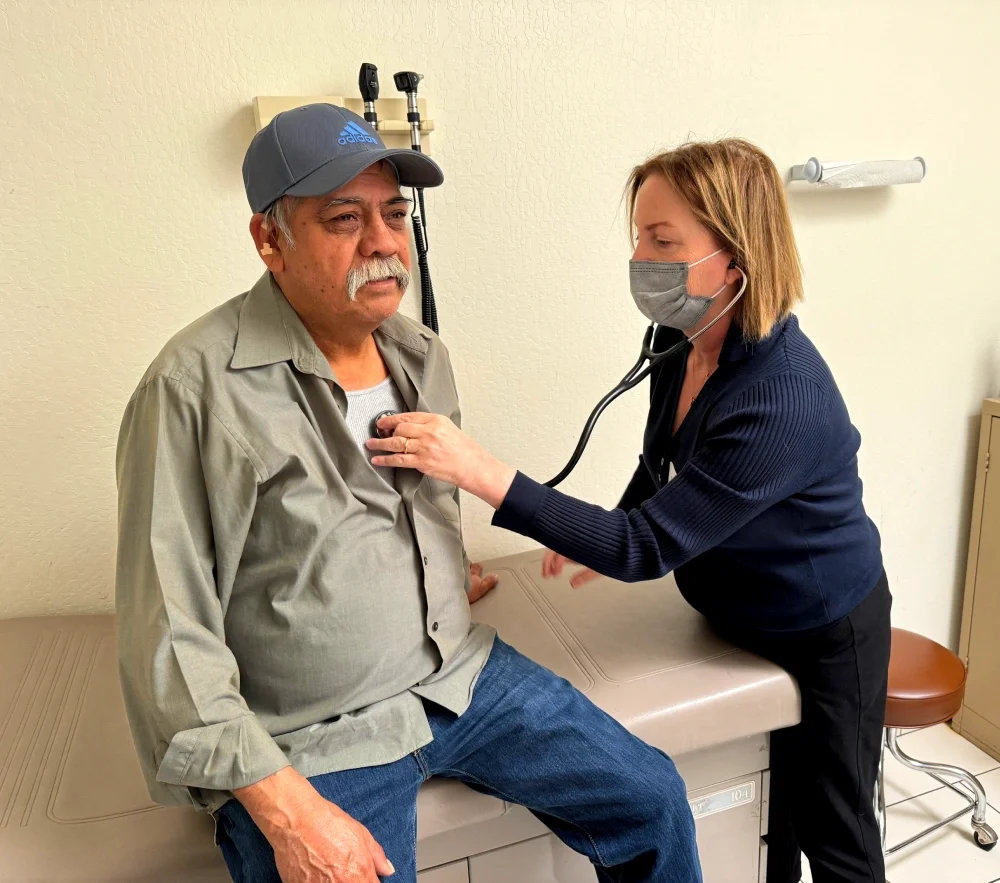
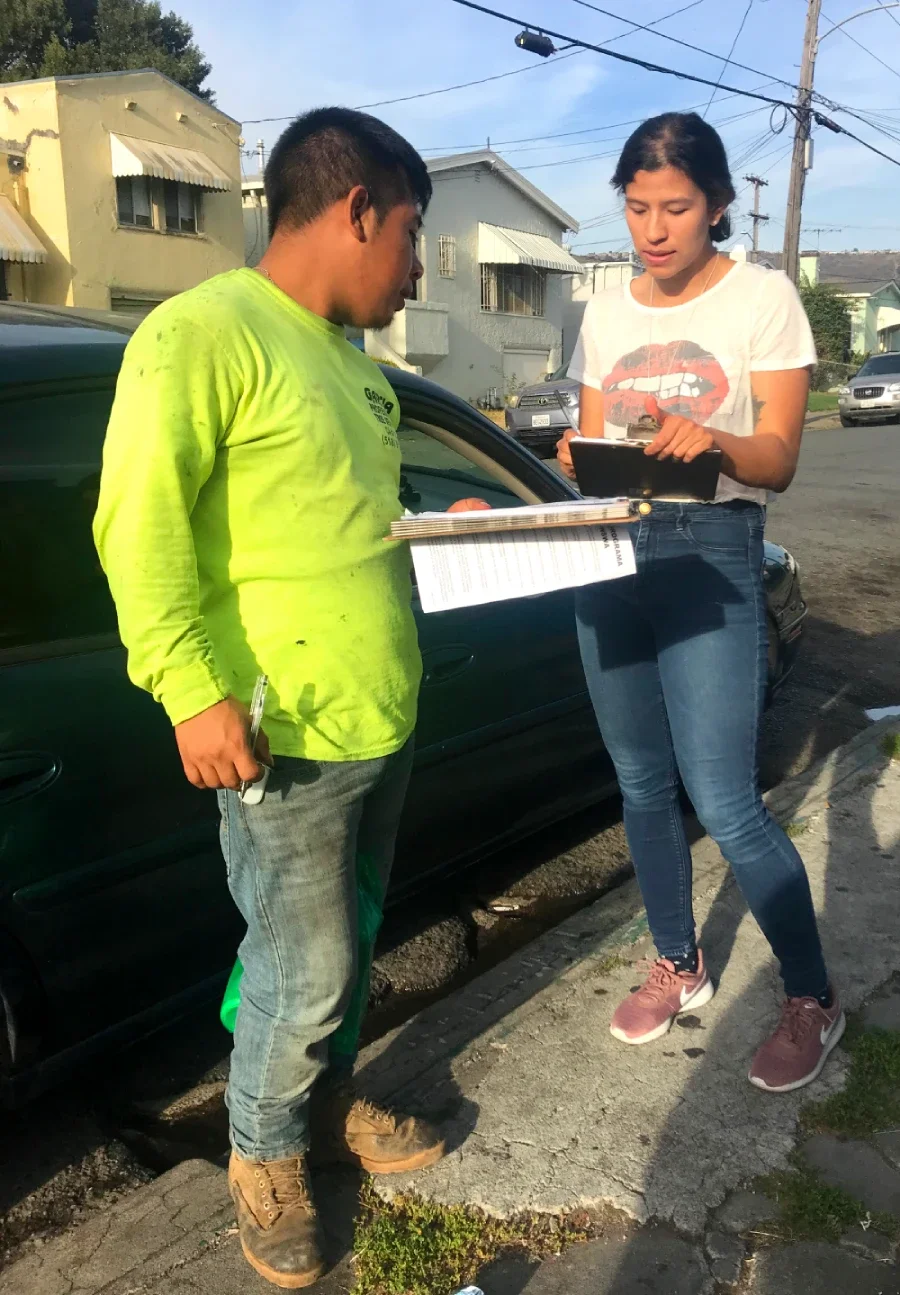
CCMP works with membership associations of low-paid service workers to canvass low-income neighborhoods where CCMP volunteers take requests for medical, dental and optical care and advocacy and fills them through CCMP’s benefit program. The primary enemies of good health for the majority of poor and working people are the overwhelming odds against which they must battle to maintain life. Without good health, preventive care to ward off complications from undiagnosed and untreated conditions goes by the wayside.
SDG 2
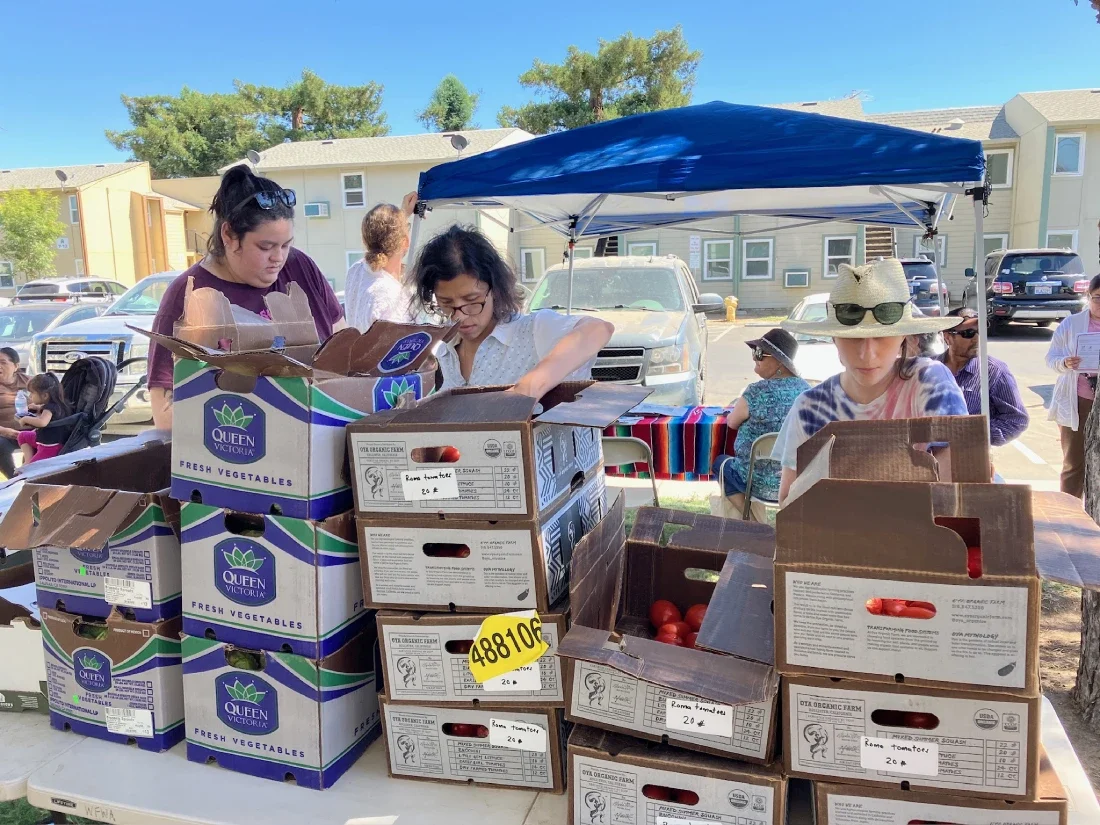
Deaths in California attributed to malnutrition – read starvation – more than doubled, from about 650 in 2018 to roughly 1,400 in 2022, according to preliminary death certificate data from the California Department of Public Health. CCMP is on the road daily, picking up 10,000 pounds of donated healthy food per week to distribute to organizing drives of low-income workers as part of our organizing for good health. The U.S. profit-driven health care industry, food and beverage industries, and pharmaceutical corporations severely inhibit progress in prevention and long-term management of diseases such as diabetes. The economic and political barriers must be overcome by the U.S. people before we can predictably attain any significant lowering of the percentages of pre-diabetics and diabetics within the U.S. population.
SDG 3
CCMP programs stand as an example of how much could be accomplished if we had a health care system that made services and resources available to those most in need, and did not deny access to health care due to one’s income or age. Our volunteers are organizing to demand a systemic change in government health care policies to fulfill the needs of the population versus the current reality that constitutes economic segregation and institutionalized inequality.